
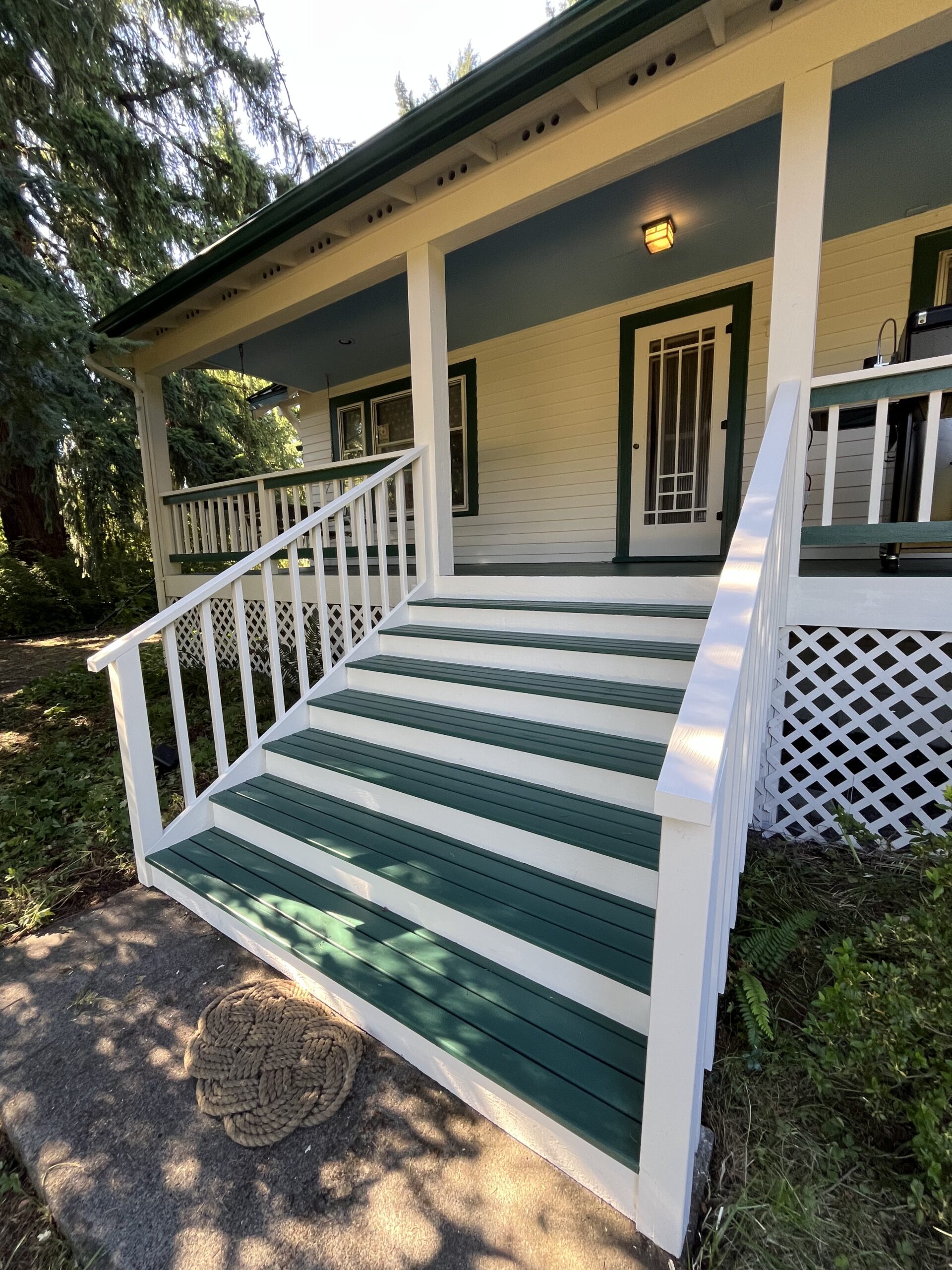
Should you stain or paint that deck, fence or siding? It’s one of the most common questions homeowners face when it comes time to protect and refresh exterior wood surfaces. Both stain and paint offer real benefits, but they work in fundamentally different ways—and choosing the wrong one can mean more maintenance, a shorter lifespan or a look that doesn’t match your vision. In this video, our team at American Classic Painters breaks down the key differences so you can make the right call for your next project.
How Stain Works
Stain is designed to penetrate the surface of wood rather than sit on top of it. Because it soaks into the grain, stain enhances the natural texture and character of the wood while adding color and a layer of protection against moisture, UV rays and general wear. This is why stain is so popular on decks, fences, pergolas, cedar siding and other surfaces where the beauty of the wood itself is part of the appeal.
Stains come in a spectrum of opacities—from transparent and semi‑transparent formulas that let the full grain show through, to semi‑solid and solid stains that offer more color coverage while still allowing some wood texture to be visible. Because stain doesn’t form a thick film on the surface the way paint does, it won’t crack, chip or peel over time. When it’s time to refresh the finish, you can typically clean the surface and reapply a new coat of stain without the labor‑intensive scraping and sanding that old paint demands.
How Paint Works
Paint sits on top of the surface and creates a solid, opaque film that completely covers the material underneath. This makes it ideal for hiding imperfections, knots, patches and inconsistencies—especially on surfaces like drywall, metal, concrete or older wood that has seen better days. Paint is available in virtually unlimited colors and a wide range of sheens, from flat and matte to semi‑gloss and high‑gloss, giving you precise control over the final appearance.
The trade‑off is that paint requires more thorough surface preparation to adhere properly. The substrate needs to be clean, dry, sanded and often primed before the topcoat goes on. When done right, paint creates an extremely durable barrier that withstands harsh weather, resists moisture intrusion and holds its color for years. However, when the paint eventually ages, it can crack and peel—and repainting requires stripping or sanding down the old finish before applying a fresh coat.
When to Choose Stain
Stain is generally the better choice when you want to preserve and highlight the natural look of wood. It’s especially well suited for horizontal surfaces like decks and railings that take on moisture from rain and foot traffic, because stain allows the wood to breathe rather than trapping moisture beneath a film. In the Pacific Northwest, where Seattle homes are exposed to frequent rain and humidity, allowing wood to release moisture naturally can significantly extend the life of the finish and the wood itself.
Stain also tends to be the easier option for ongoing maintenance. Because it fades gradually rather than peeling, touch‑ups blend more naturally, and full recoats don’t require extensive prep. If you have a cedar fence, a redwood deck or exposed timber elements that you want to keep looking warm and natural, stain is almost always the right move.
When to Choose Paint
Paint is the better option when coverage, color consistency and surface protection are the priorities. If your exterior siding has been repaired, patched or has mismatched wood, paint creates a uniform appearance that stain simply can’t achieve. Paint is also the go‑to choice for non‑wood surfaces—metal railings, concrete foundations, stucco and composite materials all perform better with a high‑quality paint system.
For homes where you want a bold, specific color that complements your trim, front door and landscaping, paint gives you the broadest palette and the most consistent coverage. It’s also the standard choice for interior walls and ceilings, where a smooth, clean finish is expected.
The Role of Primer
Whether you choose stain or paint, proper preparation is essential—and that often includes priming. Primer is particularly important when painting bare wood, switching between product types or covering stains and discoloration. Most stain applications don’t require a separate primer because the stain is designed to soak into the wood directly, but the surface still needs to be clean, dry and free of old flaking finishes before application.
What About Solid Stain?
Solid stain sits in an interesting middle ground between traditional stain and paint. It provides nearly the same color coverage as paint while still allowing a hint of wood texture to show through. Solid stain is a popular choice for fences, decks and siding where homeowners want strong color but aren’t ready to commit to the maintenance demands of a full paint system. Keep in mind, however, that solid stain can eventually peel in high‑moisture areas, so surface preparation and product quality matter just as much as they do with paint.
Making the Right Choice for Seattle’s Climate
Seattle’s wet, temperate climate adds an extra layer of complexity to the stain‑versus‑paint decision. Moisture management is critical on any exterior surface in the Pacific Northwest. Stain’s ability to let wood breathe makes it a strong performer on horizontal and exposed surfaces that are regularly hit by rain. Paint, when applied over a properly prepared and primed surface, creates a tough moisture barrier that can protect vertical siding and trim for a decade or more—provided the prep work is done thoroughly.
At American Classic Painters, we help homeowners navigate this decision every day. We evaluate the condition of the surface, the type of wood or material, the level of exposure to the elements and your goals for appearance and maintenance before recommending a finish. Whether the answer is a penetrating semi‑transparent stain on your cedar deck or a premium exterior paint on your home’s siding, our team applies it with the preparation and precision that makes the finish last.
If you’re planning an exterior project and aren’t sure whether stain or paint is the right fit, reach out to our team for a free consultation. We’ll walk your property with you, discuss the options and help you choose the finish that protects your investment and looks great for years to come.